Sustainable Solutions: How E-Waste Recycling Services Are Saving Our Planet
E-waste represents a considerable hazard to the environment, as disposed electronics frequently harbor hazardous substances. These toxic materials have the potential to taint soil and water sources, leading to broader ecological damage. E-waste recycling initiatives provide a practical answer. They not only recover valuable resources but also mitigate pollution. Gaining insight into how these programs function and affect local communities is critical. Pursuing efficient e-waste management brings forth pressing questions regarding individual duties and shared responsibility. What steps can be taken next?
Why E-Waste Is Bad for the Planet
Even though technology enriches contemporary living, e-waste poses considerable environmental hazards. Disposed electronic equipment, commonly laden with hazardous materials such as mercury, lead, and cadmium, can leach toxins into the surrounding soil and water supply, presenting dangers to human health and ecosystems. The swift progression of technology contributes to higher rates of electronics disposal among consumers, intensifying the growing problem of discarded electronic materials.
Landfills, already overwhelmed with refuse, find it difficult to handle the increasing amounts of discarded devices. Incineration, a common waste management technique, emits dangerous pollutants into the environment, degrading atmospheric conditions. In addition, improper recycling practices can lead to the exportation of e-waste to developing countries, where laborers may dismantle devices without adequate safety measures, exposing themselves to dangerous substances. This ongoing cycle of carelessness and inadequate management emphasizes the pressing necessity for responsible recycling initiatives that can lessen the harmful consequences of e-waste on our See all world.
What Is E-Waste and Why Does It Matter?
E-waste, also referred to as electronic waste, encompasses discarded electronic devices such as televisions, computers, and smartphones that have exceeded their operational lifespan. This growing category of waste is significant owing to its accelerating volume, propelled by advances in technology and evolving consumer behaviors. As growing numbers of electronics become outdated, the environmental impact intensifies, with harmful substances like lead, mercury, and cadmium presenting serious hazards to the environment and human well-being.
The significance of tackling e-waste extends beyond minimizing these risks to recognizing the valuable resources it holds. Precious metals and rare earth elements can be recovered and reused, reducing the need for mining and conserving natural resources. Through a deeper awareness of e-waste and its consequences, both individuals and organizations can make well-informed choices regarding disposal and recycling, thereby supporting a more sustainable future. Responsible management of e-waste plays a key role in supporting a circular economy and championing environmental stewardship.
The Way E-Waste Recycling Functions
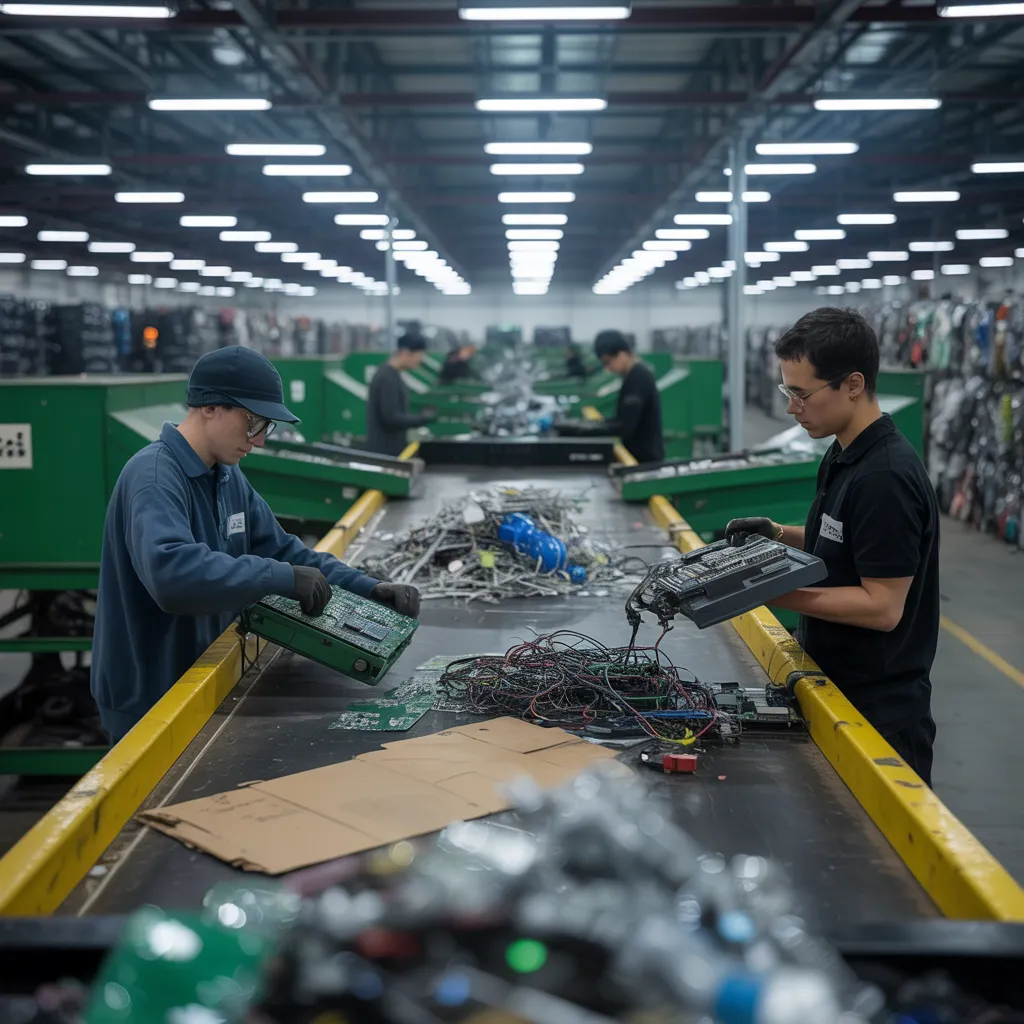
Recycling e-waste involves a structured approach aimed at reclaiming useful resources while reducing harm to the environment. Initially, discarded electronics are retrieved and sent to purpose-built recycling plants. After reaching the facility, the electronics are carefully categorized to separate hazardous components from recyclable materials.
After this step, workers dismantle the devices, extracting plastics, metals, and glass. This step is critical, as it enables the retrieval of valuable metals like silver, gold, and copper, which are repurposed in new electronics.
Subsequently, the separated materials are processed using sophisticated techniques, such as chemical treatments and shredding, to refine them for further use.
Finally, the residual hazardous waste is handled with responsibility, complying with eco-friendly standards. This systematic method not only preserves valuable resources but also minimizes the hazards connected to irresponsible electronic waste disposal, guaranteeing a greener future for the consumption of electronics.
Why E-Waste Recycling Matters for You and Your Community
Though many people are unaware, the benefits of e-waste recycling reach well past personal use to meaningfully influence entire communities. By carefully processing electronic waste, individuals help foster a healthier environment, minimizing hazardous materials that can seep into soil and water. This forward-thinking practice helps preserve local ecosystems and promotes public health.
Moreover, the recycling of e-waste encourages the creation of jobs in communities. Nearby recycling establishments regularly need employees for a range of functions, covering everything from collection to processing, consequently creating meaningful employment for local residents. This not only strengthens the regional economy but also inspires community dedication to sustainable efforts.
Moreover, familiarity with e-waste recycling has the potential to generate awareness campaigns, empowering residents to adopt eco-friendly choices. By participating in e-waste recycling programs, individuals foster a culture of sustainability, encouraging others to join the movement. Overall, the shared impact of these actions can create a more robust and eco-friendly community.
Tips for Choosing an E-Waste Recycling Service
Choosing the best e-waste disposal service is vital for making sure that electronic refuse is processed with responsibility and sustainability. First, individuals should confirm the service's accreditations, such as R2 or e-Stewards, which signify adherence to industry standards for responsible recycling methods. It's also important to examine the company's standing by checking reviews and obtaining referrals from reliable sources.
Next, clarity in the recycling process is essential. A reliable provider should provide clear information about the way e-waste is handled and what becomes of the materials. Moreover, assessing the variety of services available can be advantageous; various firms may supply retrieval services or extend benefits for recycling.
In addition, being aware of regional rules concerning e-waste disposal can additionally influence the selection process. When these considerations are given priority, people are able to support effective e-waste management while also advancing sustainable environmental efforts.
Ways You Can Participate in E-Waste Recycling?
Getting involved with e-waste recycling may begin at the local level, where community recycling hubs frequently offer essential services for responsible disposal. Moreover, taking part in community awareness campaigns can strengthen efforts to inform others regarding the importance of ethical e-waste practices. Such efforts not only encourage sustainable practices but also foster a collective sense of accountability for the environment.
Local Recycling Centers
Numerous community recycling facilities play an essential role in e-waste recycling, giving communities practical solutions to dispose of electronic waste responsibly. These centers accept a variety of electronic items, including aging computers, cell phones, and television sets, ensuring that harmful materials are handled safely. The majority of facilities employ trained staff who help individuals navigate appropriate disposal procedures, stressing the significance of recycling instead of landfilling. Furthermore, many centers offer organized drop-off opportunities or appointed collection periods, making it easy for residents to participate. By taking advantage of these neighborhood resources, people help build a circular economy, reducing environmental impact and promoting sustainable practices. Working alongside these hubs encourages communities to fight e-waste pollution decisively.
Community Education Campaigns
Community groups, educational institutions, and companies can work together to organize events that support e-waste collection drives. Community members can serve a critical function in promoting knowledge, handing out educational content, and interacting with the surrounding community. As a result of these combined actions, community members grow more knowledgeable and inspired to dispose of their electronics responsibly, thereby helping to build a greener and more sustainable tomorrow.
Frequently Asked Questions
What Kinds of Electronics Can Be Recycled?
A wide range of electronics can be recycled, including laptops, televisions, smartphones, printers, computers, and gaming consoles. Furthermore, peripherals such as keyboards, mice, and batteries are equally appropriate for recycling, promoting efforts to conserve the environment.
Is There a Cost Associated With E-Waste Recycling?
That's correct, e-waste disposal sometimes comes with costs, based on the facility. Certain providers apply costs for gathering or treatment, while other facilities provide no-cost solutions, often subsidized by the resale of recovered materials.
How Can Businesses Benefit From E-Waste Recycling?
Businesses can benefit from e-waste recycling by reducing disposal costs, enhancing their environmental image, complying with regulations, extracting valuable resources, and potentially generating revenue through resale, ultimately contributing to a more sustainable operational strategy.
What Happens to Data on Recycled Devices?
Data on recycled devices is commonly permanently erased or eliminated during the refurbishment process. This ensures sensitive information stays protected, preventing unauthorized access while allowing components to be repurposed carefully and ethically in new products.
Can I Recycle Broken Electronics?
Yes, broken electronics are able to be recycled. Several facilities receive damaged devices, ensuring proper disposal and recovery of useful materials. This effort helps reduce harm to the environment while supporting sustainable recycling habits to handle electronic waste effectively.